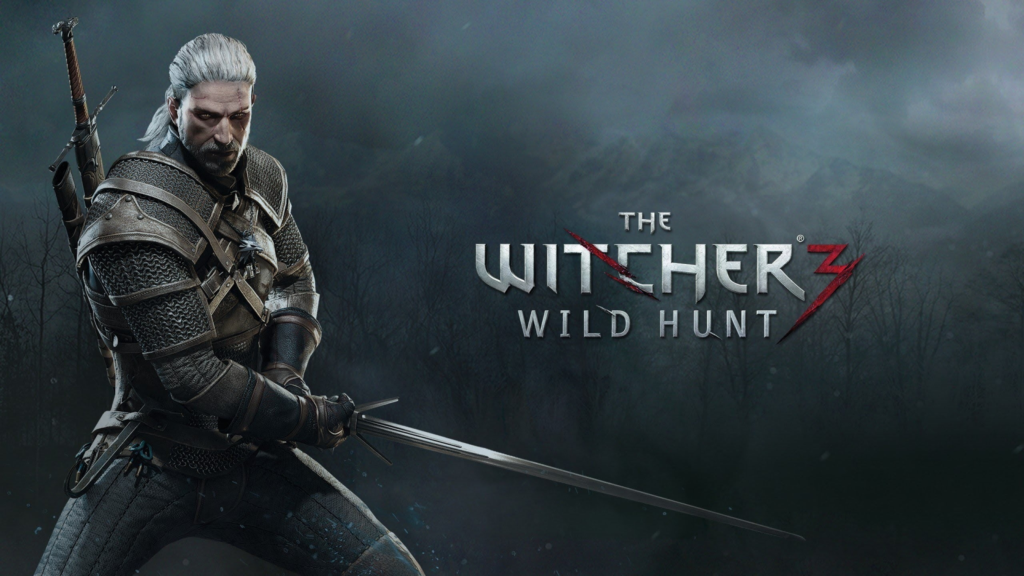



The world is at war. The Wild Hunt rides. And Geralt of Rivia — the White Wolf, the Butcher of Blaviken, the greatest monster hunter the Continent has ever known — is searching for someone far more important to him than any contract, any emperor, or any war. The Witcher 3: Wild Hunt is CD Projekt Red’s landmark open-world action RPG — a game of such extraordinary scope, such profound emotional depth, and such relentless narrative ambition that it stands not just as one of the greatest RPGs ever made, but as one of the greatest works of interactive storytelling in the history of the medium.
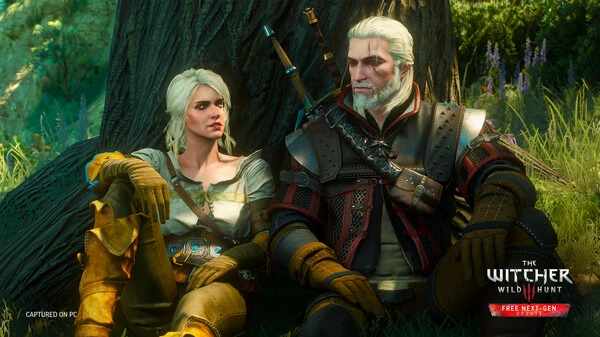
You are Geralt of Rivia — a Witcher, a mutated monster hunter for hire, a man of few words and extraordinary skill who has spent his entire life navigating the impossible space between the monsters he hunts and the humans who fear him almost as much. When Ciri — his adopted daughter, a child of destiny whose power could save or destroy the world — goes missing with the spectral riders of the Wild Hunt in pursuit, Geralt sets out on a search that will take him across the entirety of a war-ravaged world and force him to confront choices that will shape the fates of nations, friends, and the people he loves most.
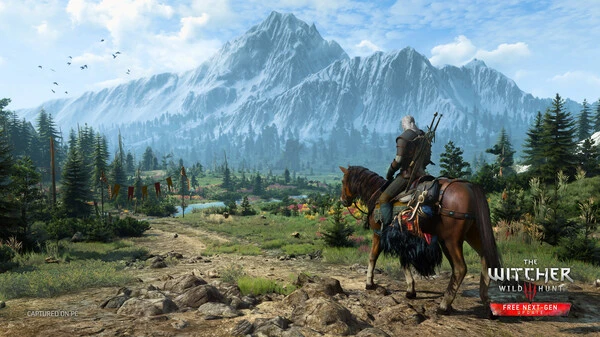
The world of The Witcher 3 is the most richly realised and narratively dense open world in RPG history. Three vast and dramatically distinct regions — the war-scarred fields and ruined villages of Velen, the bustling merchant city of Novigrad, and the fierce, windswept archipelago of Skellige — each constitute enormous open worlds in their own right, teeming with main quests, side quests, contracts, hidden treasures, Points of Interest, and the kind of environmental storytelling that reveals the full depth and tragedy of this world to those patient enough to explore every corner. Every quest in The Witcher 3 — including the most seemingly minor side contract — is written with a care, a moral complexity, and a narrative craft that most games never bring to their main storylines.
The Witcher 3’s approach to player choice and moral consequence is one of its most celebrated and most influential achievements. There are no clear good and evil options in the world of the Witcher — only choices made under imperfect information with imperfect outcomes, where the consequences ripple outward across the game’s enormous narrative in ways that are often surprising, frequently devastating, and always deeply human. The decisions Geralt makes throughout the game shape not just the ending but the fates of dozens of characters and entire regions — and multiple playthroughs reveal just how radically different the world and its people can become depending on the paths you choose.
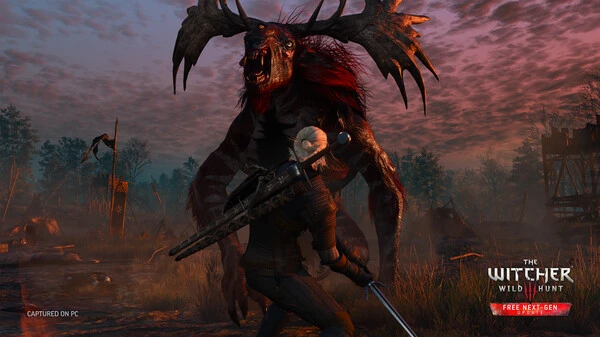
Combat in The Witcher 3 blends sword fighting, magical signs, alchemy, and tactical preparation into a system that rewards players who engage with its full depth. Witcher Signs — Aard, Igni, Yrden, Quen, and Axii — each serve distinct tactical purposes that can be upgraded and combined with swords, bombs, and alchemical potions to create approaches to combat that vary dramatically based on build and preference. The game’s bestiary is a masterpiece of monster design and lore — each creature has its own weaknesses, behaviours, and backstory, and preparing properly for each hunt by reading, researching, and crafting the right oils and potions is as much a part of the Witcher experience as the fight itself.
The Complete Edition of The Witcher 3 includes two of the finest expansions ever produced for any game. Hearts of Stone delivers a darkly compelling and brilliantly written story set in the haunted ruins of No Man’s Land and the streets of Oxenfurt — a tale of contracts, curses, and a villain so charismatic and so genuinely menacing that he rivals any antagonist in the base game. Blood and Wine — the crown jewel of the Complete Edition — transports Geralt to the sun-drenched, wine-soaked duchy of Toussaint, a land of knights, romance, and monsters hiding beneath a beautiful surface, in an expansion so enormous and so beautifully crafted that it constitutes an entire game in its own right. Both expansions are essential, and together they extend The Witcher 3’s already extraordinary runtime by dozens of additional hours.
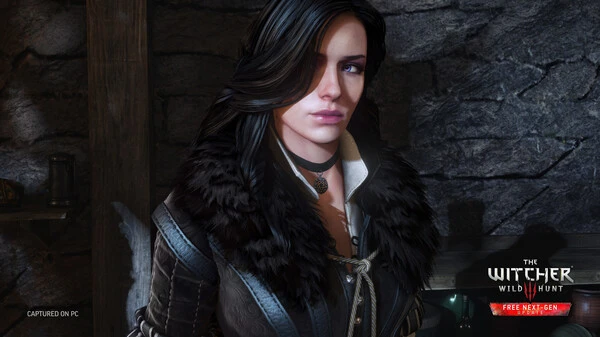
The Next Gen Update — available free to all existing owners — brings The Witcher 3 into the modern era with ray tracing, significantly improved textures and models, new content inspired by the Netflix Witcher series, quality of life improvements, and a host of technical enhancements that make the game look and feel better than ever on modern hardware.
On PC, The Witcher 3: Wild Hunt Complete Edition supports 4K resolution, ray tracing, ultra-wide monitors, unlocked frame rates, and one of the most active and creative modding communities in RPG gaming — a community that has produced thousands of mods ranging from graphical overhauls to entirely new quests and content.
Game Features
- Play as Geralt of Rivia in one of the greatest RPG stories ever told
- Three vast and dramatically distinct open-world regions packed with content
- Morally complex player choices with consequences that ripple across the entire narrative
- Deep combat blending swords, Witcher Signs, alchemy & tactical preparation
- Complete Edition includes Hearts of Stone and Blood and Wine expansions
- Blood and Wine — a full-scale expansion set in the gorgeous duchy of Toussaint
- Extraordinary quest writing that brings moral complexity to every contract and story
- Next Gen Update with ray tracing, improved visuals & new Netflix-inspired content
- Legendary modding community with thousands of PC mods available
- Full 4K, ray tracing & ultra-wide support — available now on Steam for PC